
2 Hour COURSE
Ethical Psychedelic Therapy And Process Work: Challenges and Dilemmas
with Will Hall, MA, DiplPW.
Assisted by Michal Lasocik
Assisted by Michal Lasocik

Ethical scandals, research misconduct, and patient backlash are now a small - and growing - part of the "psychedelic revival."
Does Process Work offer a new direction for working with psychedelics? How can Process Work – and anyone inspired by the heart of Jung – approach psychedelics in our work, and ourselves? Most importantly, is Process Work capable of working with psychedelics while protecting clients from harm?
*This follow-up class assumes a basic familiarity with Mindell’s Process work and is open to all.

Note: Due the the popularity of this topic, this is a stand-alone follow up to recommended class: w/ Will Hall, MA, DiplPW:
Jung, Psychedelics, And Therapy: A Process Work and Harm Reduction Approach
What You'll Learn
This class will establish a basic orientation for engaging with psychedelic experience as Process Workers, in an emerging field of ongoing learning and shared discovery.
- Process Work offers powerful tools for working with moods, perceptual shifts, and altered states: we orient around signals to displace habitual reliance on the "ordinary" or primary process identity and support opening to broader secondary forces over our "edges" of familiarity and habit. Substances and addiction work may be broadly applicable to drugs such as MDMA, psilocybin, LSD and ketamine, but does the "tunneling and edges" model of unfolding client process around altered states and addiction also apply to work with psychedelics?
- What to make of the "two-state ethics" Process Work approach given the unique dangers of suggestibility and abuse of power represented by psychedelics?
- What is the role of Process Workers in today's "psychedelic therapy": providing substances, sitting with psychedelic sessions, and working with preparation for and reflection about ("integration) psychedelic drug trips?
- Are there key harm reduction protections Process Workers must bring to their work?
- Do Jung's warnings have specific relevance for Process Work practice?
- And crucially: how do the hype and media saturation of the "psychedelic revival" create a crucial timespirit and worldwork dimension to client interest in psychedelics?
Discussion
Why Jung?
Carl Jung’s influence on contemporary culture and therapy is inestimably vast, from the “hero’s journey” monomyth storytelling of George Lucas to Myers-Briggs personality testing to the modern reinvention of spirituality against the confines of institutional religion. Exploring the unconscious as an ancient, intelligent cosmic force seeking to relate to and guide our conscious selves, Jung has captured the fascination of people worldwide who share interest in re-vitalizing imagination, dreams, and myth in our lives. If your heart senses a larger, timeless presence, “like a splinter in your mind” as Morpheus puts it, calling forth freedom to be your better self, you are walking the same path as Jung.
Why Process Work?
Based in Jung’s psychology, Process Work approaches reality as a dream-like invitation to learn, where the wise omnipresence of nature constantly urges us to go beyond our ordinary understanding of ourselves and grow into something surprising and unique. Process Work brings somatic, body-oriented signal awareness into the Jung approach, using altered states, psychodrama, and dialogue to engage with the fundamentals of Jung’s vision. Present-moment awareness, interactive mindfulness, and improvisation tools help discover that what is “happening to us” might also be “happening for us.” Will teaches Process Work and Jung as both a devoted insider and as a critical outsider.
WATCH WILL ON
A Humanistic Approach to Mental Health
Register for this Course

Become a Member &
Gain Access to ALL Our Courses + Full Library
Flexible Pricing
Sliding Scale

About Your Teacher
Will Hall, MA, DiplPW.
AUTHOR, SPEAKER, TEACHER
Will Hall MA, DiplPW, PhD Candidate Maastricht University, is a Process Work diplomate therapist and trainer internationally recognized for his innovative work with psychosis treatment, psychiatric medications, and changing the social response to madness. He is host of Madness Radio, co-founder of Freedom Center, co-founder of Portland Hearing Voices, co-founder of the Hearing Voices Network USA, and a past co-coordinator of The Icarus Project. Will was trained in Open Dialogue at the Institute for Dialogic Practice and studied Arnold Mindell’s Process Oriented Psychology, a Jungian approach, at the Process Work Institute in Portland Oregon.
A schizophrenia diagnosis survivor, Will is a longtime organizer with the international psychiatric survivor movement, and has appeared in several documentary films including Crazywise, Healing Voices, and Coming off Psych Drugs; A Meeting of Minds. He has gained media coverage in the New York Times, Newsweek, Forbes, Radio New Zealand, Haaretz, Radio Sarajevo, and The Guardian. His writing has appeared in the Journal of Best Practices in Mental Health, Oxford University’s Textbook of Modern Community Mental Health Work: An Interdisciplinary Approach, Journal of Humanistic Psychology, and Research Ethics journal, and his book is Outside Mental Health: Voices and Visions of Madness.
Will’s work has received recognition in disability rights activism including the Judi Chamberlin Advocacy Award and the Stavros Center for Independent Living Disability Rights Award. Will is author of the Harm Reduction Guide to Coming Off Psychiatric Medications, which has been translated into 14 languages and is widely used as a resource by patients, families, clinicians, and recovery groups around the world.
Will’s interest in psychedelics and Process Work emerged out of his own struggle to understand himself: impulses of creativity and renewal at the heart of the dangerous extreme states of consciousness that threatened to destroy him as a young man. Will trained with leading psychedelic teachers in the 1990s but helped break media silence around psychedelic therapy abuse when he wrote about his personal experiences on Mad In America and Medium, catalyzing widespread media attention. Will’s therapy practice includes work with people who have taken psychedelics, and he supports access to these substances and ending the war on drugs. At the same time, Will questions “psychedelic therapy” and opposes the medicalization and commercialization of psychedelics. Can we accept the positive potentials of altered states of consciousness while also guarding against the dangers of a Brave New World?
A schizophrenia diagnosis survivor, Will is a longtime organizer with the international psychiatric survivor movement, and has appeared in several documentary films including Crazywise, Healing Voices, and Coming off Psych Drugs; A Meeting of Minds. He has gained media coverage in the New York Times, Newsweek, Forbes, Radio New Zealand, Haaretz, Radio Sarajevo, and The Guardian. His writing has appeared in the Journal of Best Practices in Mental Health, Oxford University’s Textbook of Modern Community Mental Health Work: An Interdisciplinary Approach, Journal of Humanistic Psychology, and Research Ethics journal, and his book is Outside Mental Health: Voices and Visions of Madness.
Will’s work has received recognition in disability rights activism including the Judi Chamberlin Advocacy Award and the Stavros Center for Independent Living Disability Rights Award. Will is author of the Harm Reduction Guide to Coming Off Psychiatric Medications, which has been translated into 14 languages and is widely used as a resource by patients, families, clinicians, and recovery groups around the world.
Will’s interest in psychedelics and Process Work emerged out of his own struggle to understand himself: impulses of creativity and renewal at the heart of the dangerous extreme states of consciousness that threatened to destroy him as a young man. Will trained with leading psychedelic teachers in the 1990s but helped break media silence around psychedelic therapy abuse when he wrote about his personal experiences on Mad In America and Medium, catalyzing widespread media attention. Will’s therapy practice includes work with people who have taken psychedelics, and he supports access to these substances and ending the war on drugs. At the same time, Will questions “psychedelic therapy” and opposes the medicalization and commercialization of psychedelics. Can we accept the positive potentials of altered states of consciousness while also guarding against the dangers of a Brave New World?

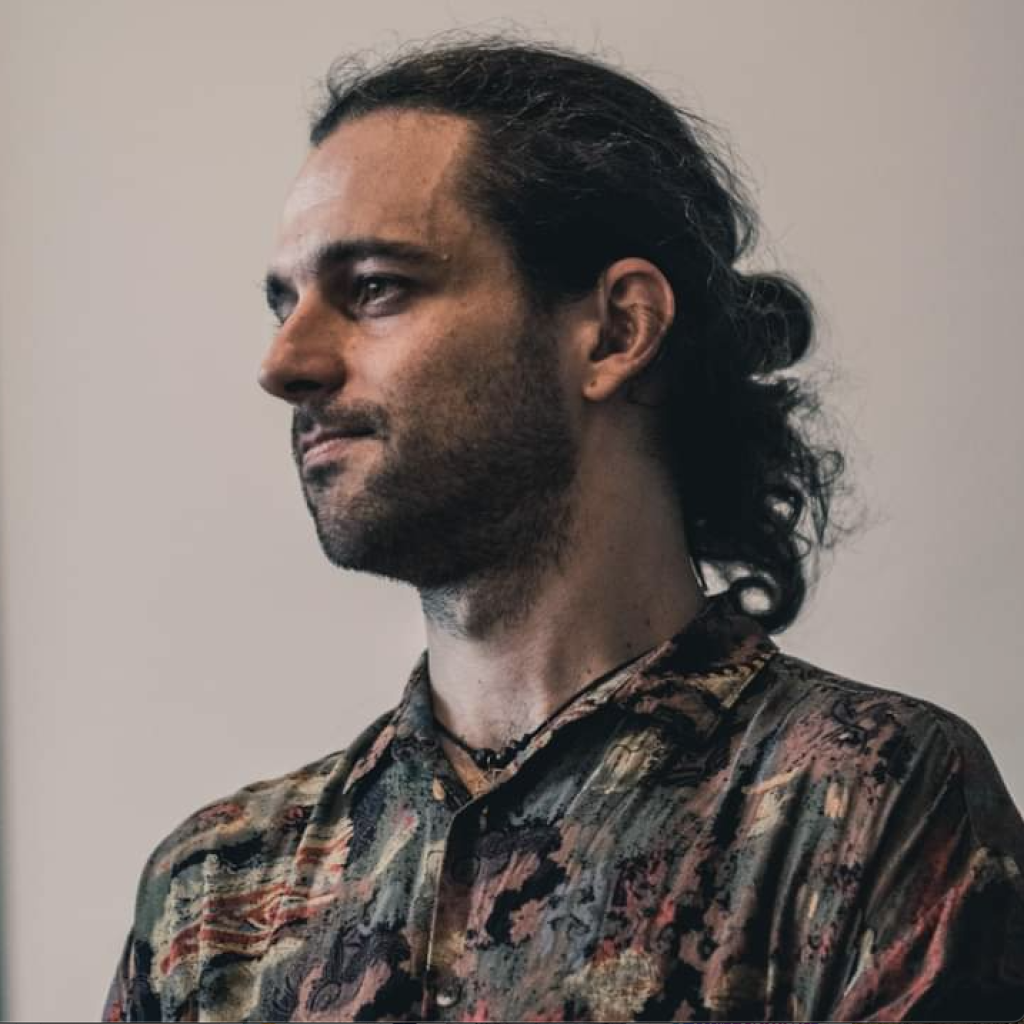
Will is assisted by
Michał Lasocik
PsychotherapisT, Psychedelic Integration Therapist and Harm Reduction Educator
Psychotherapist, member of the Polish Process Psychology Society, MA of sociology at Warsaw University,
Member of the Polish Psychedelic Society, psychedelic integration therapist, and harm reduction educator. Co-founder of the LIMINAL initiative, which educates on psychedelic integration, especially for mental health professionals.
Member of the Polish Psychedelic Society, psychedelic integration therapist, and harm reduction educator. Co-founder of the LIMINAL initiative, which educates on psychedelic integration, especially for mental health professionals.
His interests, among others, are dreams, altered states of councsciousness and psychedelics. He learns and teaches psychedelic integration inspired by dreamwork as from Jungian psychology and process work. He is interested in understanding the meaning of so called “bad trips” and helps to develop a Safe Space project which provides psychological help at music festivals.
He supports the popular modern idea by which an indvidual is a self divided complexity of inner figures, parts and roles rather than a monolitic, undivided structure. This notion has a great impact on his daily work with individuals and groups.
Privately, nature enthusiast, amateur musician and a science fiction fan.
GET ACCESS
Sign up for this Online Course!
This is a live course taught by Will Hall,
assisted by Michał Lasocik.
Included is a 2-Hour Live Course & Access to the Recording.
It’s highly participatory, learn and practice new skills!
assisted by Michał Lasocik.
Included is a 2-Hour Live Course & Access to the Recording.
It’s highly participatory, learn and practice new skills!

Subscribe to our Newsletter and Stay Updated!
Contact us
Wherever you are in the world, you can be a part of our vibrant learning community! Contact us with questions or to host your own event through Processwork Online.
